

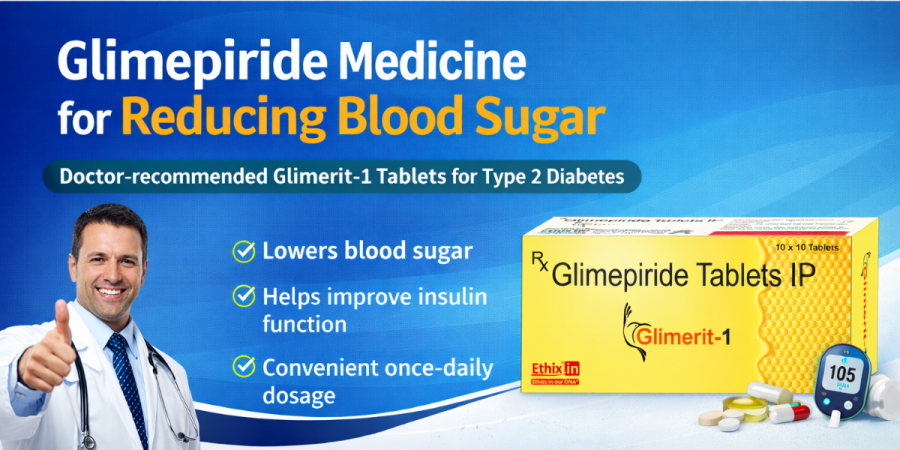
Sugar Control Medicines: What Doctors Recommend
Doctor-recommended tablets for managing type 2 diabetes safely and effectively
Managing high blood sugar levels is essential for people living with type 2 diabetes. Doctors often recommend a combination of lifestyle changes and clinically proven sugar control medicines to maintain healthy glucose levels and prevent long-term complications.
In this blog, we explain the most commonly prescribed sugar control medicines, how they work, and when doctors recommend them.
Understanding High Blood Sugar and Diabetes
High blood sugar (hyperglycemia) occurs when the body does not produce enough insulin or cannot use insulin effectively. If left uncontrolled, it can lead to complications such as nerve damage, kidney issues, and heart disease.
That’s why doctors emphasize early treatment with blood sugar control tablets along with diet and exercise.
Sugar Control Medicines Doctors Commonly Recommend
Doctors prescribe sugar control medicines based on age, blood sugar levels, and overall health. These medicines help by:
- Increasing insulin secretion
- Improving insulin sensitivity
- Reducing glucose production in the liver
Some commonly recommended blood sugar reducing medications include:
- Sulfonylureas (like Glimepiride)
- Biguanides (like Metformin)
- Combination anti-diabetic tablets
Glimepiride Tablets for Sugar Control
Among oral anti-diabetic medicines, Glimepiride tablets are widely recommended by doctors for controlling high blood sugar in type 2 diabetes patients. Glimepiride belongs to the sulfonylurea class and works by stimulating insulin release from the pancreas.
Benefits of Glimepiride Tablets
- Helps lower fasting and post-meal blood sugar
- Improves insulin efficiency
- Effective in long-term diabetes management
- Convenient once-daily dosage (as prescribed by doctor)
When Do Doctors Prescribe Glimerit-1?
Doctors may prescribe Glimerit-1 (Glimepiride Tablets IP 1mg) when:
- Diet and exercise alone are not sufficient
- Blood sugar levels remain consistently high
- Combination therapy is required for better control
This medicine should always be taken as directed by a physician to avoid low blood sugar episodes.
Tablets vs Supplements for Blood Sugar Control
| Prescription Tablets | Supplements |
|---|---|
| Clinically tested | Not clinically proven |
| Directly reduce blood sugar | Supportive only |
| Doctor recommended | Optional |
Why Doctor Guidance Is Important
Self-medication can be risky for diabetes patients. Doctors monitor:
- Blood glucose levels
- Kidney and liver function
- Possible side effects
For personalized treatment plans or product guidance, it’s always best to consult healthcare experts.
Sugar control medicines play a vital role in managing type 2 diabetes. Doctors commonly recommend clinically approved tablets like Glimepiride to help patients maintain stable blood sugar levels and lead healthier lives.
Always follow medical advice and choose trusted diabetic care solutions for long-term wellness.
Frequently Asked Questions (FAQs)
Q1. Are sugar control medicines safe for long-term use?
Yes, when taken as prescribed by a doctor and monitored regularly.
Q2. Can Glimepiride cause low blood sugar?
Yes, hypoglycemia may occur if meals are skipped or dosage is incorrect. Always follow your doctor's advice.
Q3. Is Metformin better than Glimepiride?
Both medicines serve different purposes. Doctors decide based on individual blood sugar levels and health conditions.
Q4. Can supplements replace diabetes medicines?
No. Supplements cannot replace prescription sugar control tablets.
Q5. How long does Glimepiride take to show results?
Blood sugar levels usually improve within a few days to weeks of regular use.
*This content is for informational purposes only. Always consult a qualified physician before starting or changing diabetes medication.
© 2026 | Medzone Healthcare
